Why RPG Games Are the Ultimate Strategy Games for Gamers
When it comes to video games, there’s a special place for RPG games. These games blend storytelling, character development, and strategic gameplay in a unique way that's hard to replicate. For serious gamers, RPGs often stand out as the ultimate strategy games. But what makes them so appealing? Let's dive into this world and uncover the magic behind RPG tactics games.
What Defines RPG Games?
Role-playing games (RPGs) categorize players into a character whom they guide through intricate storylines filled with challenges, battles, and powerful choices. Unlike conventional games, RPGs require both strategic planning and emotional investment. The key elements of RPGs include:
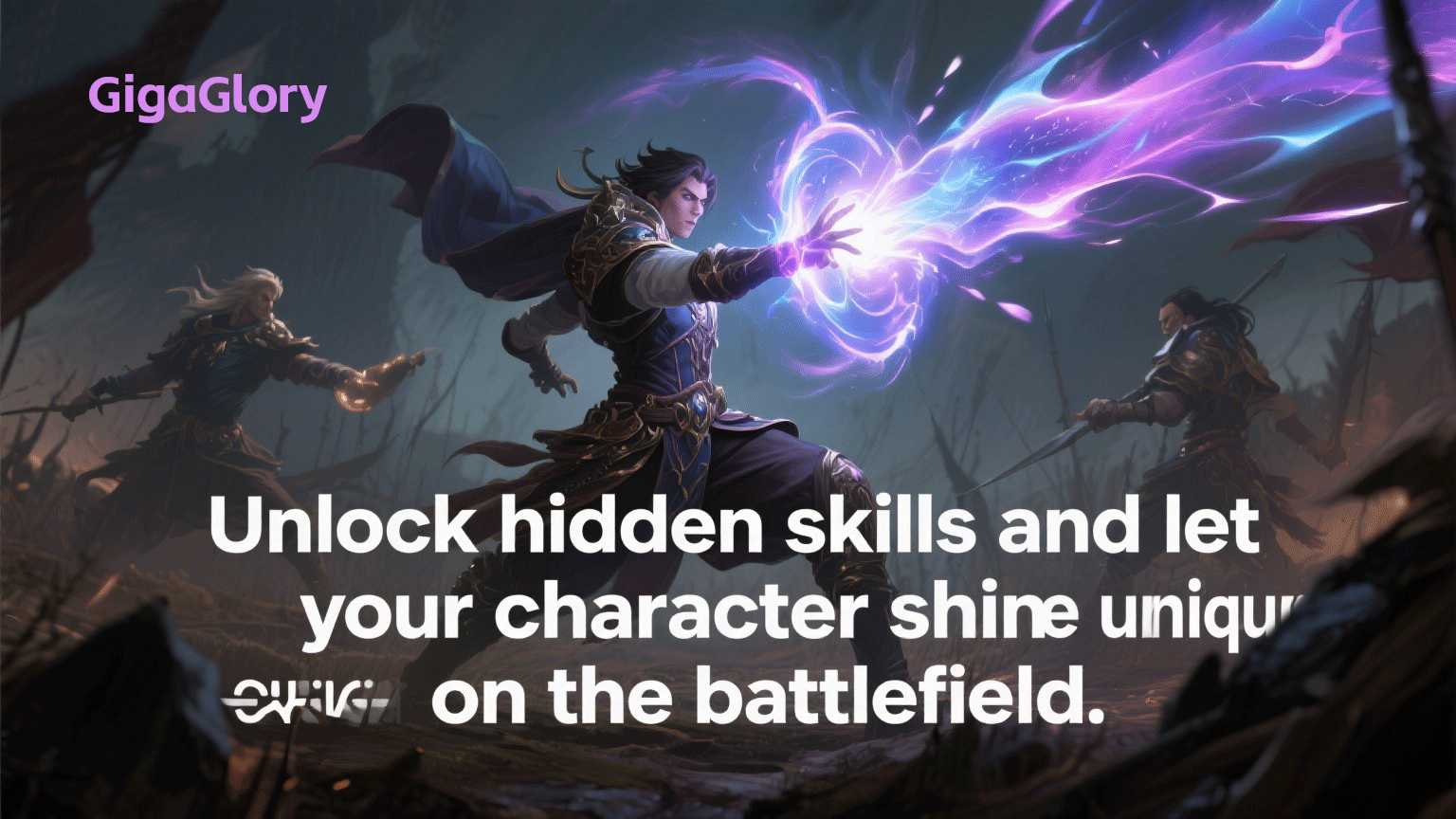
- Character Development: Players evolve their characters, improving skills and acquiring new abilities.
- Rich Storylines: Engaging narratives and quests create immersive experiences.
- Decision-Making: Choices impact the game’s direction and outcome.
The Strategic Depth of RPGs
What sets RPGs apart from typical strategy games? Beyond tactical combat, RPGs offer layers of strategic depth. Players aren't just reacting to battles; they are planning their actions based on both short-term and long-term goals. Here’s a table that breaks down how RPGs excel strategically compared to other genres:
| Feature | RPGs | Other Strategy Games |
|---|---|---|
| Character Choices | Deep customization options | Limited to units or factions |
| Story Integration | Highly narrative-driven | Focused primarily on tactics |
| Player Engagement | Emotional investment through storytelling | Based on winning or losing |
| Worldbuilding | Elaborate settings and lore | Minimal immersion |
The Thrill of Strategy in RPGs
In RPGs, the thrill comes from the kind of strategy involved. Players concoct complex tactics that can lead to victory or doom. Can you imagine tracing your character’s path through a post-apocalyptic world while also devising a meticulous combat approach? It’s like heterogenous chess, each move holding substantial weight. The decisions players make resonate deeply, layering the gameplay with a sense of urgency and excitement.
Making Choices Matter
Choices play a monumental role in RPGs. Whether deciding how to approach a mission or choosing one ally over another, these decisions unfurl wonderful, sometimes shocking, consequences. And here’s the kicker: they aren't merely tactical; they usually tug at your heartstrings. This emotional interaction with the game renders players more invested and engrossed.
The Role of Community and Collaboration
RPGs often introduce social components where players collaborate, strategize, and share experiences. This interaction can lead to dynamic strategies surfacing from group discussions. Usually, in an online RPG, you might find yourself brainstorming with fellow players, deciding the perfect alignment for your next boss battle. Such collaborations highlight the community aspect, enhancing the strategic experience.
Navigating Through RPG Tactics Games
Not all RPGs function the same. Variants like tactical RPGs focus heavily on turn-based strategies where positioning and movement play crucial roles. These games like XCOM or Fire Emblem integrate deeper layers of strategy into the traditional RPG formula. Here’s a few types and their characteristics:
- Action RPGs: Fast-paced battles, requiring quick decision-making.
- Tactical RPGs: Focus on strategy and positioning, often with grid-based maps.
- Open-world RPGs: Players roam vast landscapes with opportunities for exploration and strategy.
Why Are RPGs Best for Gamers?
Now, here’s the exciting part: the synthesis of strategy and profound storytelling in RPGs create an enthralling escape that resonates with players. In many ways, RPGs mimic life - it’s about choices, growth, and narratives that unfold based on our decisions. And for gamers, it offers continuous learning, optimizing their strategic thinking. As we navigate these intricate worlds, we find not just entertainment, but also a reflection of ourselves and our capacities for problem-solving.
Conclusion
RPGs offer a unique blend of strategy, storytelling, and character development that sets them apart in the gaming landscape. It's more than just numbers and moves; it’s emotional resonance, engagement, and a sense of community that breathes life into these games. For anyone looking to dive deeper, embracing the strategic essence of RPGs might pave the way for invaluable insights, not just in gaming but in life itself. So gear up and embrace the adventure, because in RPGs, every choice counts!